








Teacher Training Guide
Purpose of This Training
To help educators understand how early brain development works, why relationships matter more than early academics, and how classroom practices can strengthen the neural foundations for learning, behavior, and emotional well‑being.
1. The Brain Builds Itself Through Experience
What Teachers Need to Know
During the first five years, the brain forms over one million neural connections per second. These connections are shaped by sensory experiences, exploration, and responsive interactions, not by worksheets or accelerated academics.
Classroom Implications
Children learn best when they can:
- Touch, move, climb, build, and explore
- Ask questions and experiment
- Engage in open‑ended play
- Use all their senses
Practical Strategies for Educators
- Create sensory‑rich environments: water tables, sand, natural materials, music, movement.
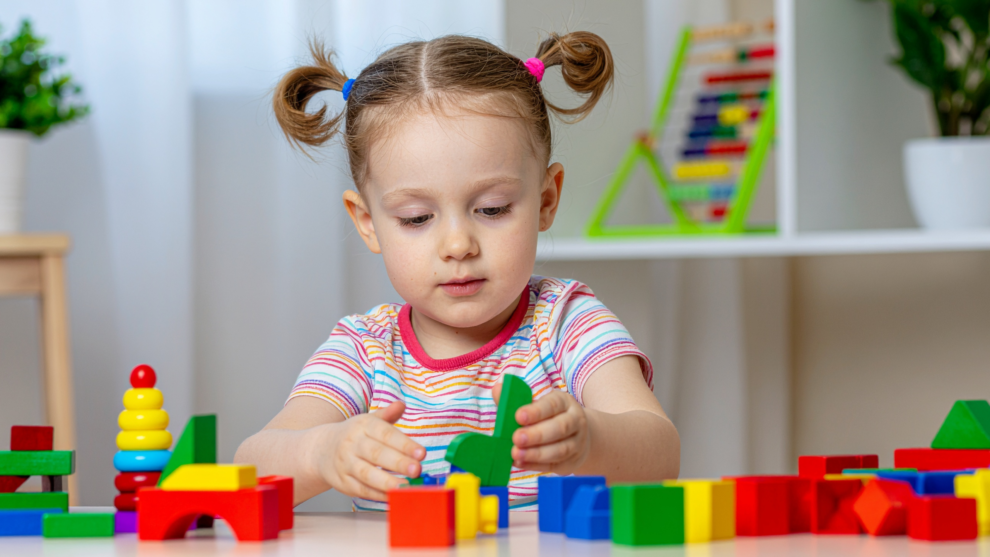
- Use open‑ended materials: blocks, loose parts, art supplies, dramatic play props.
- Narrate learning: “You’re stacking the blocks so carefully — look how tall it’s getting.”
- Follow the child’s lead: extend their play themes with language and materials.
- Protect long stretches of uninterrupted play to support deep learning.
Example in Practice
A child repeatedly drops a ball from different heights. Instead of redirecting, the teacher observes and comments:
“You’re testing how the ball falls. What happens if you drop it from even higher?”
This simple interaction strengthens pathways for curiosity, problem‑solving, and scientific thinking.
2. Relationships Are the Architecture of the Brain
What Teachers Need to Know
Warm, predictable relationships act as the “scaffolding” for healthy brain development. Responsive interactions build pathways for:
- Trust
- Emotional regulation
- Communication
- Social understanding
Classroom Implications
Children learn best when they feel:
- Safe
- Seen
- Soothed
- Supported
Practical Strategies for Educators
- Use connection rituals: morning greetings, check‑ins, songs, shared routines.
- Practice co‑regulation: stay close, use calm voice, model breathing, name emotions.
- Respond to cues quickly and warmly: “You look upset. I’m right here.”
- Build strong family partnerships to understand each child’s cultural and emotional world.
- Model emotional language: “I’m feeling frustrated, so I’m taking a deep breath.”
Example in Practice
A toddler cries when a parent leaves. The teacher kneels down, offers a comforting presence, and says:
“You miss your dad. You’re safe with me. Let’s sit together until your body feels calmer.”
This builds neural pathways for emotional regulation and trust.
3. Creating Brain‑Aligned Classrooms
Key Principles
Brain‑aligned classrooms are:
- Predictable
- Play‑based
- Relationship‑centered
- Emotionally safe
- Culturally responsive
Practical Strategies
- Use visual schedules to reduce anxiety.
- Offer choices to build autonomy and executive function.
- Integrate movement throughout the day.
- Use storytelling and conversation to build language pathways.
- Design calm spaces where children can regulate with adult support.
- Honor home languages and cultural practices in play and routines.
Example in Practice
A preschool teacher notices children arguing over materials. Instead of stepping in with punishment, she guides them through problem‑solving:
“You both want the same truck. What can we try?”
This strengthens executive function, communication, and social skills.
4. Equity and Early Brain Development
What Teachers Need to Know
Children’s early experiences are shaped by systems — housing, healthcare, food access, and community resources. These factors influence stress levels and developmental outcomes.
Classroom Implications
Educators can buffer stress by creating:
- Emotionally safe environments
- Predictable routines
- Culturally sustaining practices
- Strong family partnerships
Practical Strategies
- Use diverse books, materials, and play themes that reflect children’s identities.
- Avoid punitive discipline; use restorative and relational approaches.
- Learn from families about cultural norms, languages, and strengths.
- Provide multiple ways to communicate (visuals, gestures, home language support).
Discussion Questions for Teacher Training
Understanding the Science
- What surprised you about early brain development?
- How does this information challenge traditional ideas about “school readiness”?
Reflecting on Practice
- Which classroom routines already support healthy brain development?
- Where might we unintentionally limit exploration or sensory learning?
- How do we currently respond to children’s emotional cues? What could we strengthen?
Equity & Relationships
- How do our classroom materials reflect (or fail to reflect) the cultures of our students?
- What barriers might families face in partnering with us?
- How can we build more consistent, predictable relationships with every child?
Action Planning
- What is one practice you want to implement immediately?
- What is one long‑term change your team wants to work toward?
- What support or training do you need to make these changes sustainable?
Closing Reflection
When teachers understand how the early brain develops, they can design classrooms that nurture curiosity, resilience, and emotional well‑being. The first five years are not about accelerating academics — they are about building the foundation for a lifetime of learning. Educators play a profound role in shaping that foundation.


Add Comment