







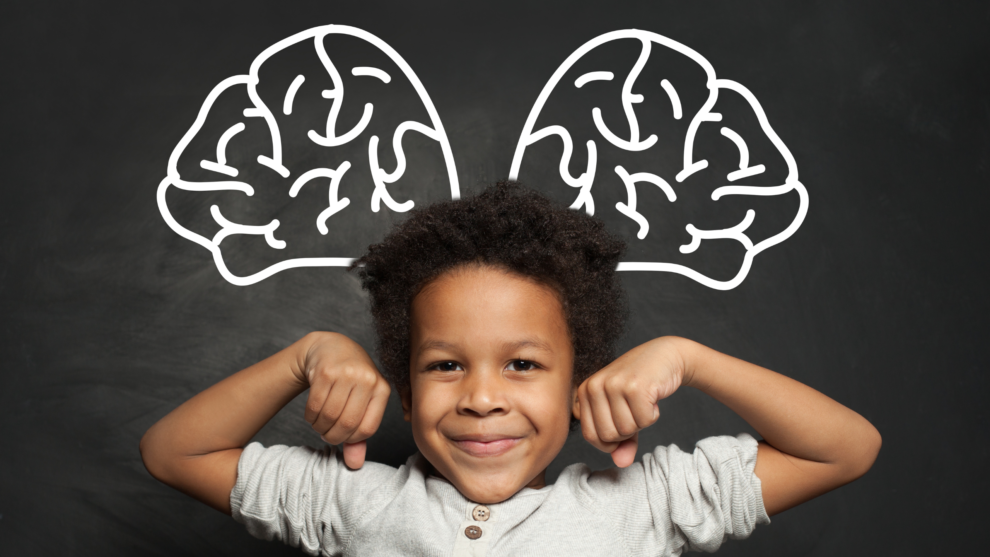


These connections don’t come from flashcards, early academics, or pressure to perform. Instead, they are built through everyday interactions — the conversations, cuddles, play, and responsive care children receive from the adults around them.
Experience Builds the Brain
Young children learn through doing, exploring, and engaging with the world. Sensory experiences — touching, tasting, listening, moving — help wire the brain for future learning. What matters most is not structured instruction but rich, responsive experiences that invite curiosity and connection.
Relationships Are the Foundation
Human connection is the most powerful driver of early brain development. Warm, predictable relationships act as the brain’s “scaffolding,” giving children the emotional safety they need to explore and grow. When caregivers smile back, name emotions, respond to cries, or offer comfort, they help build neural pathways for:
- Trust
- Emotional regulation
- Communication
- Curiosity
- Social understanding
These early relational moments shape how children learn, cope, and connect throughout their lives.
Add Comment